Speed to Lead: How Fast Should You Respond to a Lead?
You should respond to a new lead while the customer is still deciding, which for most service businesses means within minutes, not hours. A homeowner with a leaking pipe or a broken furnace contacts two or three companies, and the first one that answers with a clear next step usually gets the job.
This guide explains why response time matters so much for service work, where slow follow-up hides in a business, and a simple setup that gets every call, form and message answered fast.
Why the first business to respond usually wins the job
Most service customers are not shopping for the cheapest quote. They want the problem handled, and they want to know someone is on it. When they fill out a form or call, they rarely wait for one company to reply. They keep searching and contact the next business on the list.
That means a lead has a short life. Research published in Harvard Business Review on online sales leads found that most companies are not responding nearly fast enough. The same is true in the trades. A form that sits in an inbox until the evening is often a job that has already been booked with someone else.
Google treats responsiveness as a signal too. Its help page on Local Services Ads rankings lists your responsiveness to customer inquiries as one of the factors that affects where your ad shows, and says missed calls may hurt it. So slow follow-up can cost you twice: the lead you missed, and the leads you would have been shown to next.
How fast should you respond to a lead?
Aim for these targets, and adjust them to how your business really runs:
- Phone calls: answered live during business hours. If the call is missed, a text back within a few minutes and a call back as soon as someone is free.
- Website forms: an instant confirmation by text or email, then a personal call or text as soon as possible during the working day.
- Messages from your Google Business Profile, Facebook or your website chat: a reply in the same window as a form. These customers expect a chat-style answer.
- After-hours leads: an automatic reply that says when they will hear from you, and a call first thing the next morning.
The exact number matters less than two habits. Every lead gets an answer, and the customer knows what happens next. "Thanks, we got your request. Mike will call you before noon today" keeps a customer from calling the next company. Silence does not.
Where slow follow-up hides in a service business
Most owners believe they respond quickly. The leaks are usually in places nobody is watching.
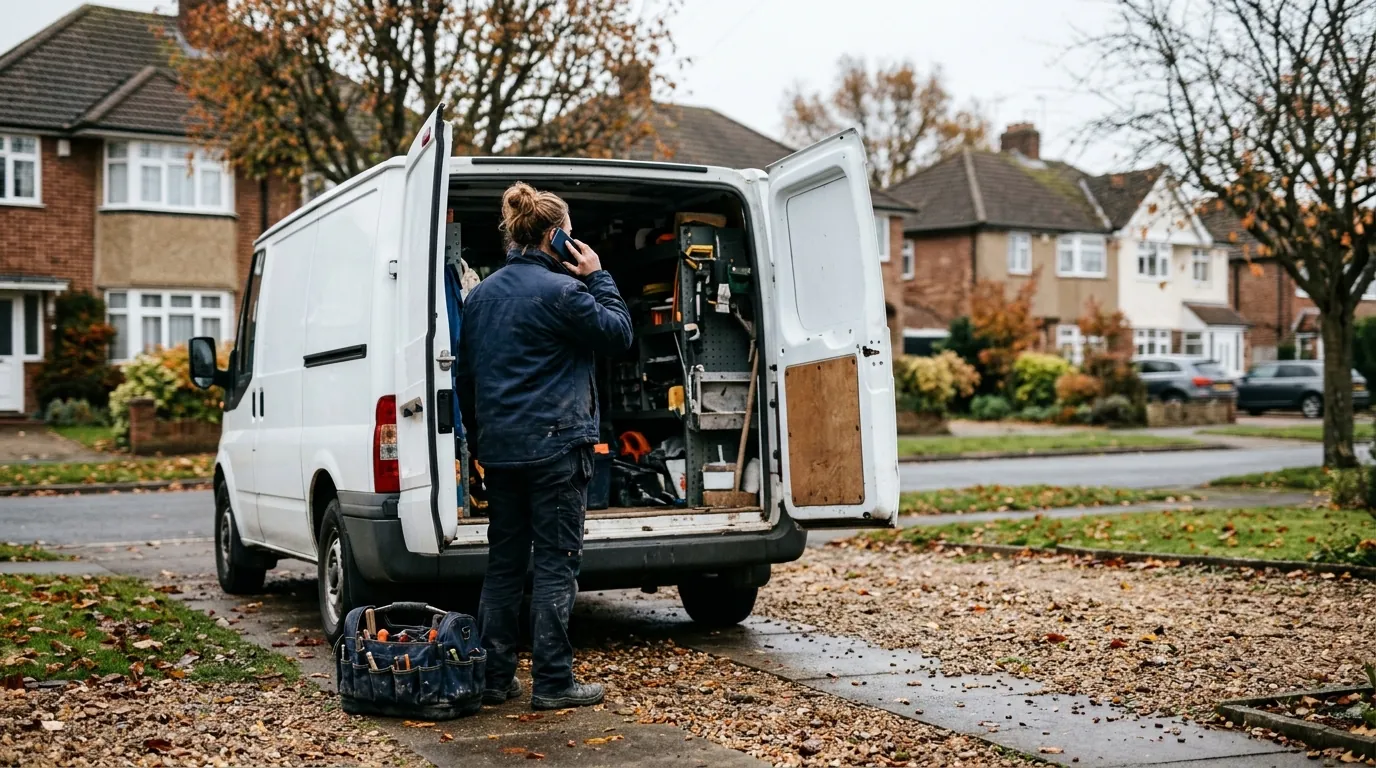
Calls during jobs. The owner or lead tech is on a roof or under a sink, and the phone rings out. If there is no office, there may be no one to call back until evening.
Forms that go to the wrong inbox. Website forms often email an address someone set up years ago. Leads arrive, and nobody sees them for days.
Voicemail with no system. A voicemail box fills up, or messages are checked once a day. Some callers never leave a message at all, so they are lost without a trace.
After-hours and weekend inquiries. Many homeowners research and request quotes in the evening. A Friday night form that waits until Monday is usually gone.
Leads split across tools. Calls, texts, profile messages and forms land in different apps. Each one is checked by a different person, or by no one.
If your website gets visits but few inquiries, the leak may be earlier in the path. Our guide on why a website gets traffic but no leads covers the website side.

How to measure your current response time
You cannot fix what you have not measured. Spend one week checking how your business handles new leads.
- Call your own business at a busy time and again after hours. Note who answers, what they say, and whether you get a call back.
- Fill out your own website form. Time how long it takes for a reply, and check which inbox it lands in.
- Send a message through your Google Business Profile and your social pages. See if anyone notices.
- Pull your missed call log from your phone system for the last month. Count how many missed numbers never got a call back.
- Keep a simple lead log for the week: time the lead came in, time of first reply, and whether it booked.
Most owners find at least one channel where leads wait far longer than they thought. That is where to start.
A simple speed-to-lead setup for service businesses
You do not need an expensive call center to respond fast. You need a few connected pieces, set up so nothing depends on someone remembering.
One place for every lead. Send calls, forms, texts and profile messages to one inbox or CRM, so one person can see everything that is waiting.
Missed call text back. When a call goes unanswered, the caller gets a text right away: "Sorry we missed you. We are on a job. What can we help with?" Many customers reply by text and stay with you.
Instant form replies. Every form submission triggers a text and email confirming you got it and saying when you will call.
A named person for each time block. Decide who covers leads while the crew is on jobs, at lunch, and after hours. Write it down. If it is everyone's job, it is no one's job.
Call forwarding or an answering service. If the office cannot pick up, calls roll to a second phone or a live answering service rather than voicemail.
A follow-up sequence for leads that go quiet. Some customers do not reply to the first message. A second text the next day and a call later in the week recover jobs that would have been lost.
This is the follow-up layer of our Service Business Growth System. It connects your website, your Google profile, your phone and your CRM so every lead gets a fast answer and you can see which ones book.
What to say when you respond
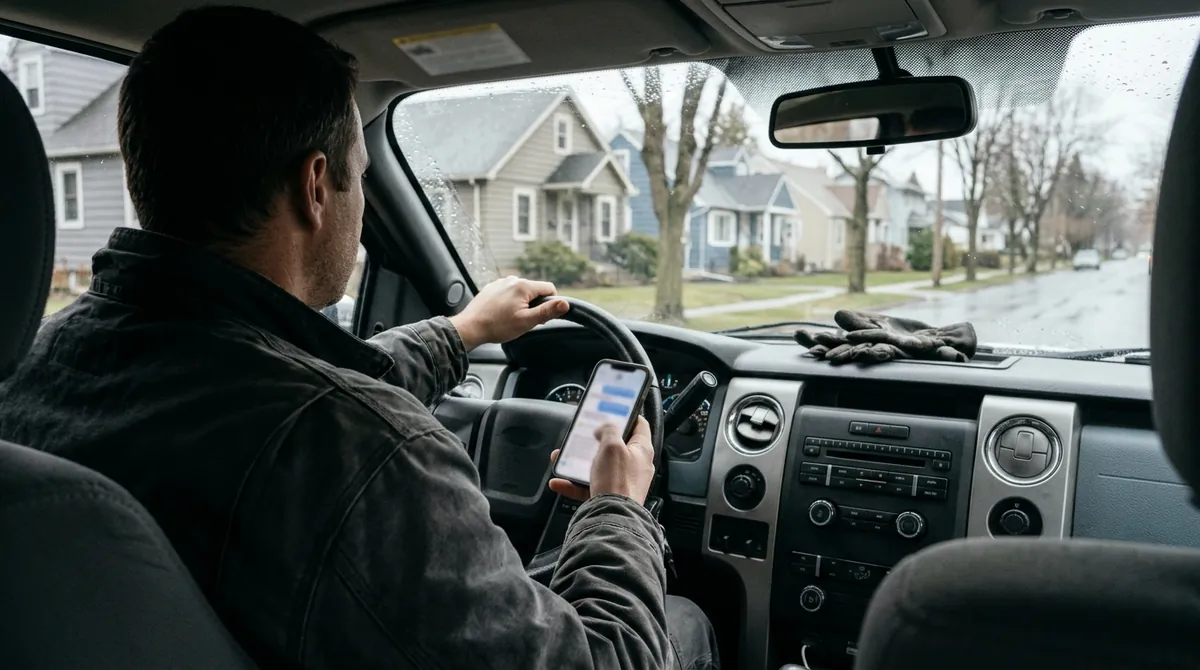
Speed only helps if the first reply moves the job forward. A good first response does three things:
- Confirms the request in plain words. "Thanks for reaching out about your water heater."
- Asks one useful question. "Is it leaking now, or just not heating?"
- Gives a clear next step and time. "We can come out tomorrow morning. Does 9 to 11 work?"
Keep it short and human. Customers can tell a canned reply from a real one, and a real name at the bottom builds trust fast.
When to get help with follow-up
If you check your numbers and find leads waiting hours, or missed calls that never get a call back, you are not alone. Most service businesses we review have at least one channel where leads go cold.
Book a free growth plan and a person on our team will review how your business handles calls, forms and messages today, then show you which gaps to close first. There is no obligation.
Frequently asked questions
Want to see where you stand?
Get a free Growth Audit showing where demand, conversion, retention, and measurement are disconnected across your business.
Get Your Free Growth PlanRelated articles

How to Track Marketing ROI for Contractors: What to Measure